
Assistance dogs in the Czech Republic are an increasingly discussed topic in 2026. Questions about public access rights, identification, and misuse of “assistance dog” vests are common among dog owners and the general public.
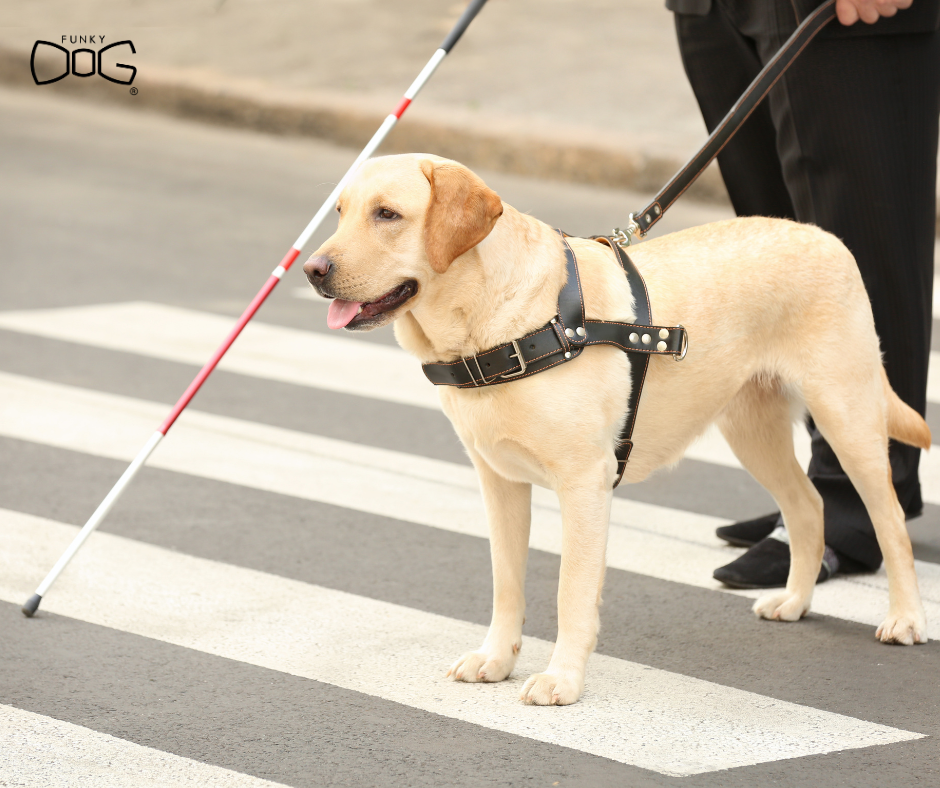
What Is an Assistance Dog?
An assistance dog is specially trained to support a person with a disability. The dog is not a pet but a medical aid.
Types include:
-
Guide dogs
-
Hearing dogs
-
Mobility assistance dogs
-
Medical alert dogs
-
PTSD service dogs
Training usually takes 18–24 months and includes obedience, task-specific skills, and public access testing.
Identification of Assistance Dogs in the Czech Republic
There is no single legally defined vest design in the Czech Republic. However, common identification includes:
-
Clearly marked vest or harness (“Assistance Dog”, “Guide Dog”)
-
ID card confirming certification
-
International ID cards
Clear marking prevents misunderstandings and protects the working dog from distraction.
Many handlers use bright yellow signal vests and leash sleeves with messages like:
-
“Do Not Touch”
-
“Do Not Disturb”
-
“Working Dog”
Proper identification increases safety and public respect.
Public Access Rights
Assistance dogs are considered compensatory aids and are allowed in public spaces, including shops and restaurants, even where regular dogs are not permitted.
Misuse of Assistance Dog Labels
Misuse of service dog vests is a growing issue in 2026. Fake labeling damages trust and creates complications for people who truly depend on trained assistance dogs.
Respect working dogs. Do not pet, distract, or feed them without permission.
Assistance dogs are not pets in public. They are lifesaving partners.