
Correct socialization is one of the most important steps in raising a balanced, confident, and friendly dog. Socialization isn’t a one-time process — it changes depending on your dog’s age and it’s essential to know what to do at the right time. In this article, we look at how to socialize puppies, young dogs, adults, and also how to work with dogs that already have socialization challenges.
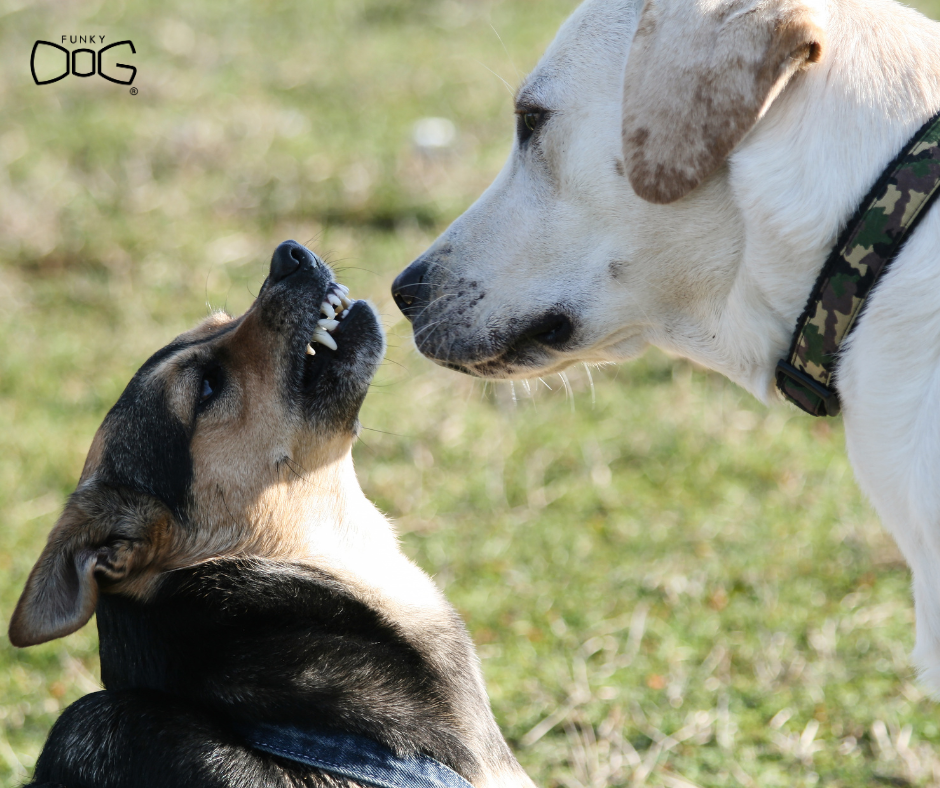
What Is Dog Socialization and Why Is It Important?
Dog socialization helps your dog:
-
understand the world around them
-
reduce stress and fear of new situations
-
prevent problematic behavior (such as aggression, escape attempts, or separation anxiety)
-
strengthen the bond between dog and owner
Socialization means gradually introducing your dog to environments, people, animals, sounds, smells, and various surfaces. It’s not just about showing your dog things — the goal is to make sure your dog has positive experiences with them.
Socialization by Age
0–8 Weeks: Socialization With the Breeder
This period has an important influence on the dog’s future temperament.
What a breeder should do:
-
contact with littermates (learning play, communication, bite inhibition)
-
contact with people of different ages
-
exposure to everyday household sounds (vacuum cleaners, TV, fans)
-
different surfaces: grass, tiles, carpet, gravel
-
brief handling (touching ears, paws; gentle lifting)
Without these early experiences, a puppy may (but doesn’t always) become fearful or oversensitive later in life.
8–16 Weeks: The Golden Socialization Period
This is the most important phase, strongly influencing the dog’s entire life.
What to do:
-
meet friendly dogs
-
introduce various environments (city streets, nature, pet stores)
-
get used to different sounds — traffic, thunder, fireworks (slowly!)
-
meet different types of people (children, seniors, athletes)
-
safely introduce transportation, public transit, cars
Tips for owners:
-
keep experiences short, positive, and voluntary
-
focus on quality rather than quantity
-
reward good behavior with treats (e.g., from a treat pouch)
-
use age-appropriate, positive gear
These experiences help your puppy build trust and confidence in new situations.
4–12 Months: Adolescence and Boundary Testing
During adolescence, dogs often forget some things they learned earlier. This is completely normal.
How to socialize adolescents:
-
continue controlled meetings with calm, balanced dogs
-
incorporate more leash-focused attention training
-
introduce real-world scenarios: restaurants, visitors, vet appointments
-
ensure safety — use a proper collar, harness and leash
Common mistakes:
-
moving too quickly with too many stimuli
-
lack of consistent rules
-
using punishment instead of positive reinforcement
Consistent guidance helps your dog feel secure and know what behavior you expect.
1–3 Years: Adult Dog — Strengthening Behavior
For adult dogs, the goal isn’t exploration as much as stabilizing behavior.
Useful practices:
-
regular dog walks with a compatible group
-
obedience training, dog fitness, or scent work
-
safe encounters with children and strangers
-
learning calm behavior — in cafes, during travel, at gatherings
Even adult dogs may benefit from ongoing socialization in areas they haven’t experienced before.
3+ Years: Socializing Older Dogs
Yes, older dogs can still learn! It just takes patience and a gentle approach.
How to approach socialization with older dogs:
-
start slowly and systematically
-
avoid overstimulation
-
encourage calm and positive experiences with praise and treats
-
use puzzle toys and scent games to build confidence
When to be cautious:
If your dog shows fear or aggression, take it slow and consider professional help. A sign or signal that others can give space (e.g., a yellow ribbon) can also be helpful in certain situations.
How Do You Know Socialization Is Successful?
You can tell socialization is working when your dog:
-
calms down quickly in new environments
-
focuses on you
-
does not show excessive fear or aggression
-
can disengage from conflict
-
handles everyday situations like traffic, visits, children, and other dogs without stress
Frequently Asked Questions
❓ How long does dog socialization take?
It’s basically a lifelong process — the intensity and focus change over time.
❓ When should you start socialization?
Ideally with the breeder’s care and continue at home as soon as your puppy arrives.
❓ Can socialization be too intense?
Yes — overload can cause stress and resistance. The rule is: less but regularly
❓ How to socialize a dog that is afraid?
Use slow, positive steps with plenty of rewards and distance from stressors. Never force the dog into a situation.
Practical Socialization Tips
-
carry treats in a convenient treat pouch
-
use a secure collar or harness that fits well
-
plan socialization walks away from busy, overwhelming areas
-
work with short, positive training sessions
Conclusion
Socializing a dog according to age is key to raising a reliable, confident, and relaxed companion. In 2026, the trend is toward positive, patient, and individualized socialization. Every dog is unique — and that’s what makes the journey rewarding.