
A liver diet for dogs is one of the most common therapeutic diets recommended by veterinarians. Proper nutrition can significantly reduce the strain on the liver, slow the progression of disease, and greatly improve a dog’s quality of life.
This guide is based on current veterinary recommendations and explains everything dog owners need to know about a liver diet for dogs – from allowed and forbidden foods to suitable treats and simple home-cooked recipes.
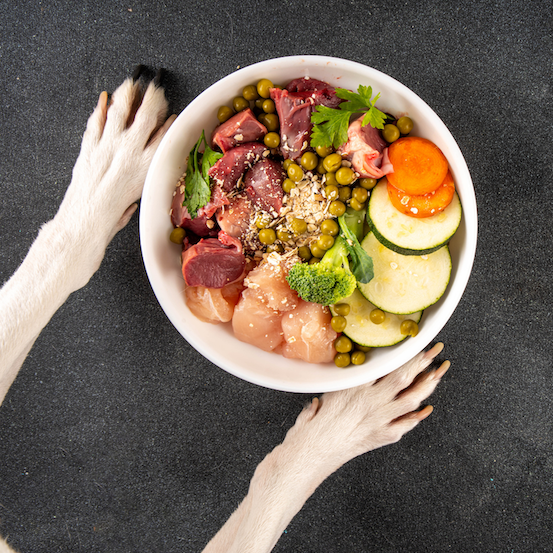
What Is a Liver Diet for Dogs and Why Is It Important?
A liver diet for dogs is a special nutritional plan designed for dogs suffering from:
-
chronic liver disease
-
hepatitis
-
liver failure
-
portosystemic shunt
-
liver damage caused by toxins or long-term medication
The main goal is to reduce liver workload, limit toxin production, and support liver regeneration. A properly adjusted liver diet for a dog is often just as important as medical treatment itself.
How to Tell If a Dog Needs a Liver Diet
Common symptoms include:
-
fatigue and lethargy
-
loss of appetite
-
weight loss
-
vomiting or diarrhea
-
increased thirst
-
behavioral changes
-
yellowing of gums or eyes
➡️ If these signs appear, a dog diet focused on liver support should always be discussed with a veterinarian.
What Can Dogs Eat on a Liver Diet?
A proper liver diet for dogs should be easy to digest and contain controlled amounts of protein, fat, and minerals.
Allowed Foods
-
cooked rice or pasta
-
potatoes or sweet potatoes
-
cooked carrots, pumpkin, zucchini
-
lean meat (chicken, turkey, rabbit)
-
low-fat cottage cheese
-
egg whites
💡 In acute cases, a home-cooked liver diet for dogs is often recommended because it is gentler on the digestive system.
What Dogs Should Avoid on a Liver Diet
When following a liver diet, dogs should not eat:
-
fatty meats (pork, duck)
-
organ meats (including liver)
-
fried or heavily seasoned foods
-
processed meats
-
high-fat commercial treats
-
sweets or human snacks
Even small amounts of unsuitable food can significantly worsen a dog’s condition.
Liver Diet for Dogs: Simple Home-Cooked Recipes
Basic Recipe – Home-Cooked Liver Diet for Dogs
Ingredients:
-
chicken breast
-
rice
-
carrots
Instructions:
Cook all ingredients until soft, cut into small pieces, and serve in smaller portions 2–3 times a day.
This meal is one of the safest and most commonly recommended liver diet recipes for dogs, suitable even for long-term feeding.
Treats for Dogs on a Liver Diet: Yes, but Carefully
Dogs on a diet still deserve rewards. Treats for dogs with a liver diet should be:
-
low in fat
-
free from salt, sugar, and artificial preservatives
-
ideally functional (supporting liver health, B vitamins)
A good alternative can be small pieces of cooked lean meat or insect treats.
How Long Should a Dog Stay on a Liver Diet?
The duration depends on the diagnosis:
-
short-term for mild or temporary liver issues
-
long-term or lifelong for chronic conditions
➡️ A liver diet for dogs often represents a permanent lifestyle change rather than a temporary restriction.
Frequently Asked Questions Dog Owners Search For
How long does liver regeneration take in dogs?
With a properly managed liver diet for dogs, improvement can be seen within weeks, but full regeneration varies depending on the individual dog and condition.
Is a cooked diet better than dry food for liver disease?
In acute phases, a home-cooked liver diet for dogs is usually preferred. Long-term feeding can include high-quality veterinary liver diets.
Can dogs on a liver diet receive treats?
Yes, but only liver-friendly treats for dogs that are low in fat and gentle on the liver.
Practical Tips for Dog Owners
-
feed smaller portions more frequently
-
monitor appetite and stool consistency
-
never add supplements without veterinary approval
-
schedule regular blood tests
-
consistency is key – the liver needs stability
Summary
A well-balanced liver diet for dogs plays a crucial role in supporting liver function and extending a dog’s life. Whether you are dealing with a liver diet for a dog, looking for home-cooked liver diet recipes, or choosing suitable treats, always focus on quality, simplicity, and veterinary guidance.