
A reactive dog is not a bad or poorly trained dog. Reactivity means that a dog reacts too strongly to stimuli in its environment – this can be another dog, a person, noise or an unfamiliar situation. Such behavior is usually rooted in fear, insecurity, frustration or negative past experiences.
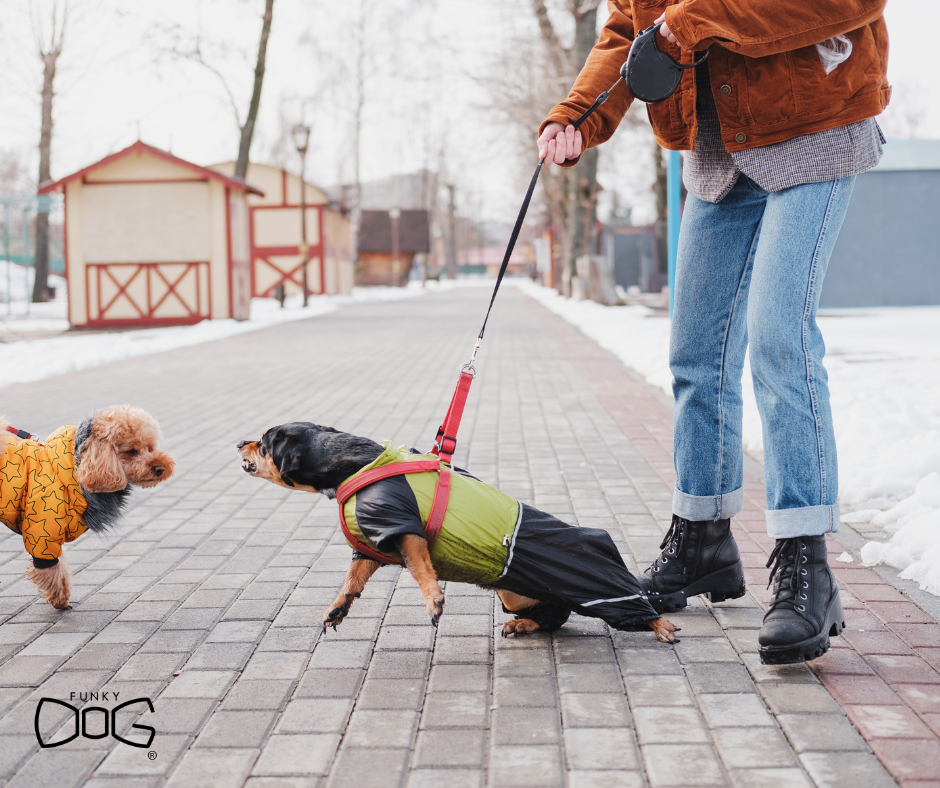
A reactive dog may bark, lunge on the leash, growl, freeze or try to escape. It is important to understand that this behavior is not disobedience. It is stress and the dog’s attempt to cope with a situation that feels overwhelming. Understanding reactivity is the first step toward truly helping your dog.
What Does It Mean When a Dog Is Reactive
Dog reactivity occurs when a dog is unable to regulate its emotions. Once a trigger appears, the reaction is fast, intense and often disproportionate to the situation.
Common signs of a reactive dog include:
-
barking or growling at dogs or people
-
pulling and lunging on the leash
-
stiff body posture and rapid breathing
-
emotional overload or “meltdowns”
A reactive dog is not an aggressive dog. In most cases, the dog feels unsafe and does not know how else to respond.
Why Do Dogs Become Reactive
Reactivity often has multiple causes that can overlap.
The most common reasons include:
-
insufficient or poorly guided early socialization
-
negative experiences with other dogs or people
-
genetic predispositions
-
long-term stress or physical discomfort
How to Work With a Reactive Dog in Everyday Life
Positive Reinforcement Training
Positive reinforcement is the foundation of reactive dog training. Use treats, praise or play whenever your dog manages a difficult situation calmly. Punishment, yelling or physical corrections usually increase stress and make reactivity worse.
Example: You are walking down the street and another dog approaches. Your dog notices it but stays calm and focused on you. Once you pass without barking or pulling, immediately reward your dog.
Distance and Threshold Awareness
Every dog has a “threshold distance” at which they still feel safe. When this distance is crossed, stress rises and reactive behavior appears.
Example: If your dog reacts to cyclists, stand farther away from the path and let cyclists pass at a safe distance. When your dog remains calm, reward them. Gradually reduce the distance over time.
What to Do During a Reactive Meltdown
A meltdown happens when a dog is emotionally overwhelmed. At this point, commands and explanations do not help.
What helps instead:
-
immediately increase distance from the trigger
-
calmly turn around and leave
-
avoid pulling or talking to the dog
-
reward only after the dog has calmed down
Training a Reactive Dog Is Not About Obedience
Reactive dog training is not about perfect obedience. It is about building emotional safety, trust and coping skills.
Key principles include:
-
working under the stress threshold
-
short but regular training sessions
-
predictable daily routines
-
calm and patient handling
Dog Socialization for Reactive and Fearful Dogs
How to Socialize a Fearful Dog
Socializing a fearful dog must be slow, controlled and pressure-free. Avoid crowded dog parks and busy places. Fewer stimuli mean a higher chance of success.
When to Start Socializing a Reactive Dog
Socialization can begin at any age. Even an adult reactive dog can learn calmer responses when their pace and boundaries are respected.
Reactive Dog Books and Helpful Resources
If you want to go deeper, a reactive dog book can be a valuable addition to daily training. Many modern books focus on humane, science-based approaches and working with emotions rather than punishment.
Yellow Ribbon for Dogs as a Helpful Signal
A yellow ribbon on a leash or collar signals that a dog needs space. It is commonly used for reactive dogs, dogs in recovery, puppies or senior dogs.
The yellow ribbon helps to:
-
avoid unwanted interactions
-
reduce stress during walks
-
clearly communicate your dog’s needs
We Can Handle This Together
Living with a reactive dog can be challenging, but it often leads to a deeper bond and mutual trust. Every small improvement is a big success. Giving your dog space, understanding and clear communication helps them feel safer in the world around them.